

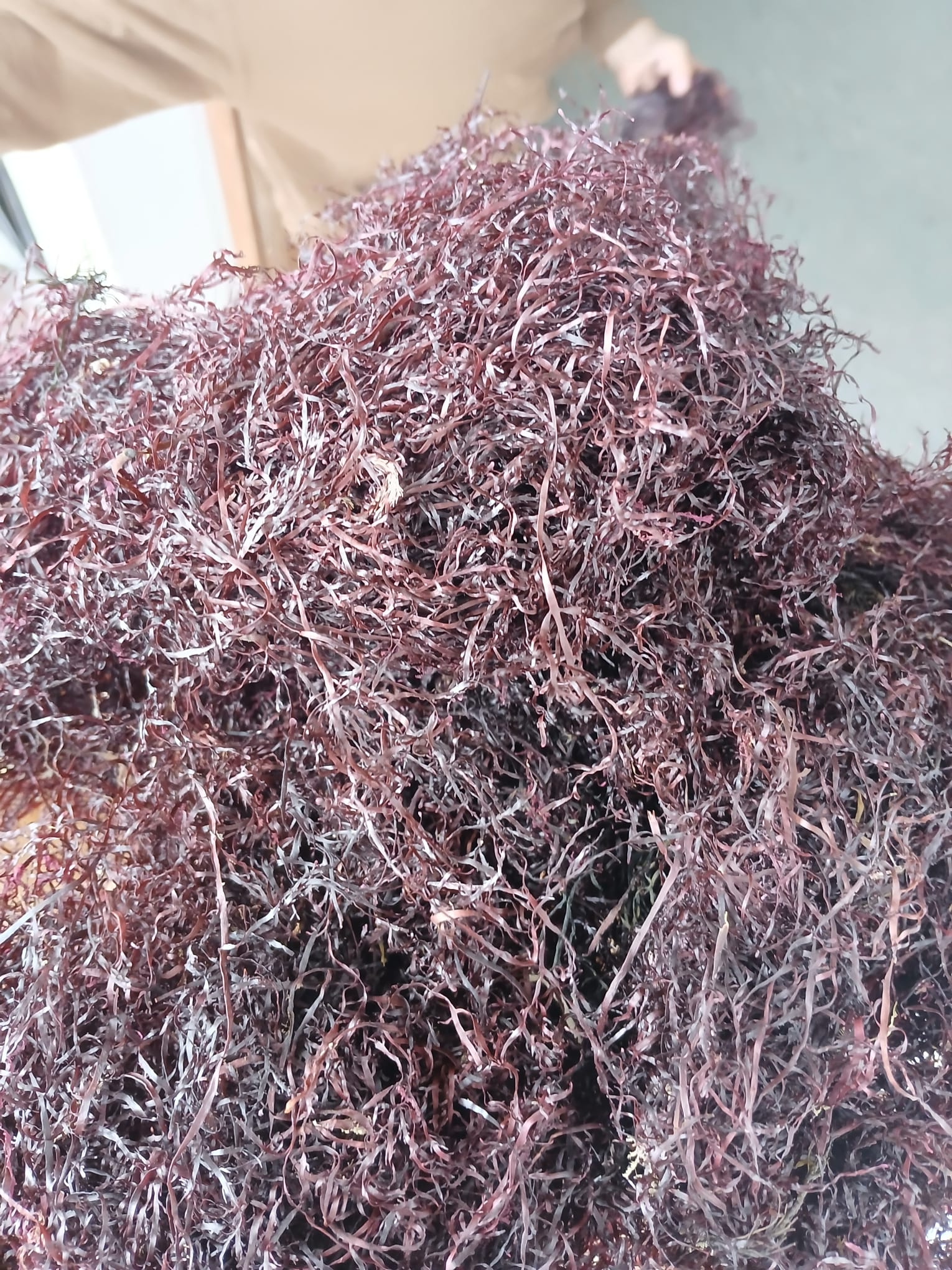
Gelidium Corneum
Gelidium is dominant species in much of the infralittoral rocky habitats of the North Atlantic.
Characterized by its high-quality agar content, for food and bacteriological used.
Agar is a mixture of polysaccharides used in the food industry as a gelling, thickening, clarifying and stabilizing agent.
It is also used in the laboratory as bacteriological agar.
Other uses are pharmaceutical products, cosmetics, food supplements, bioremediation, biofuels, biofertilizers, biostimulants, biomaterials.
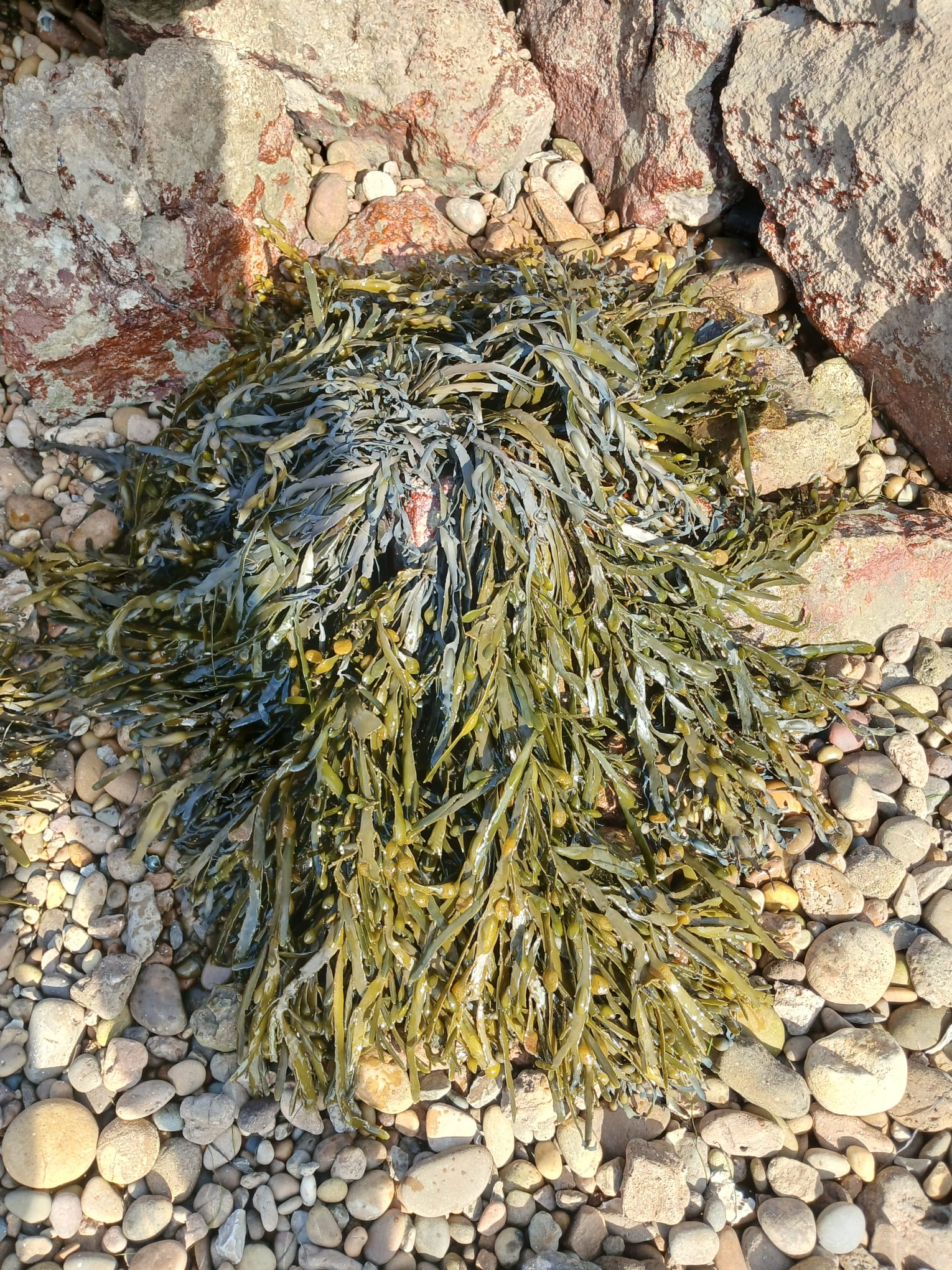
Ascophyllum Nodosum
Ascophyllum nodosum, is a perennial brown algae. It reproduces between winter and spring. It is found in the lower mid-coastline in rocky areas.
In humans it helps balance thyroid levels, due to its iodine content.
Anti-inflammatory action and ability to strengthen the immune system.
In plants, it improves resistance to pests and increases absorption power. Use as biofertilizer
Used in skin and hair care products, cleaners, and nutritional supplements.
Source of iodine, vitamins and minerals for animal food.
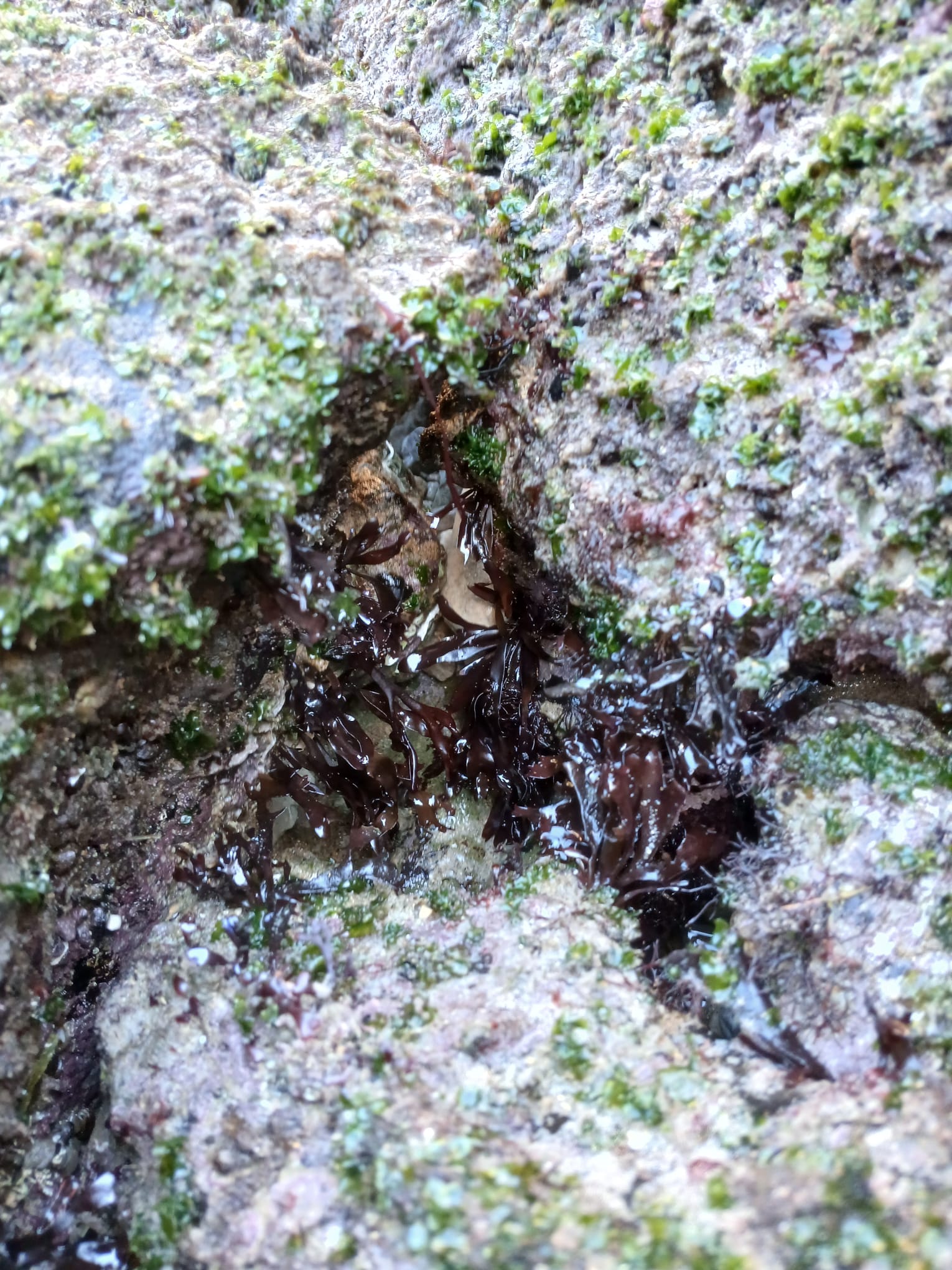
Chondrus Crispus
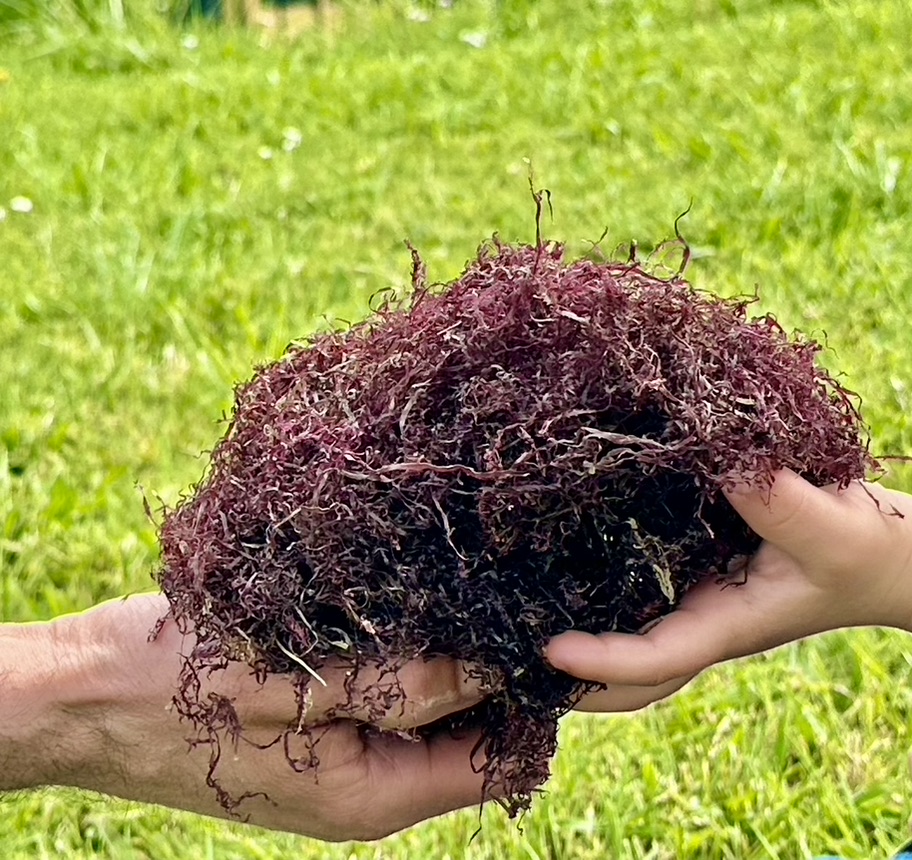
Chondrus Crispus, is a red seaweed found primarily along the rocky coasts of the North Atlantic.
This seaweed has an impressive nutritional profile with essential vitamins, minerals, and dietary fiber, contributIng to a well-balanced diet.
It is also beneficial for skin and hair care. Rich in nutrients like vitamins A, C, E, and K.
Chondrus crispus is a source of carrageenan, which is commonly used as a thickener and stabilizer and processed foods.
Codium
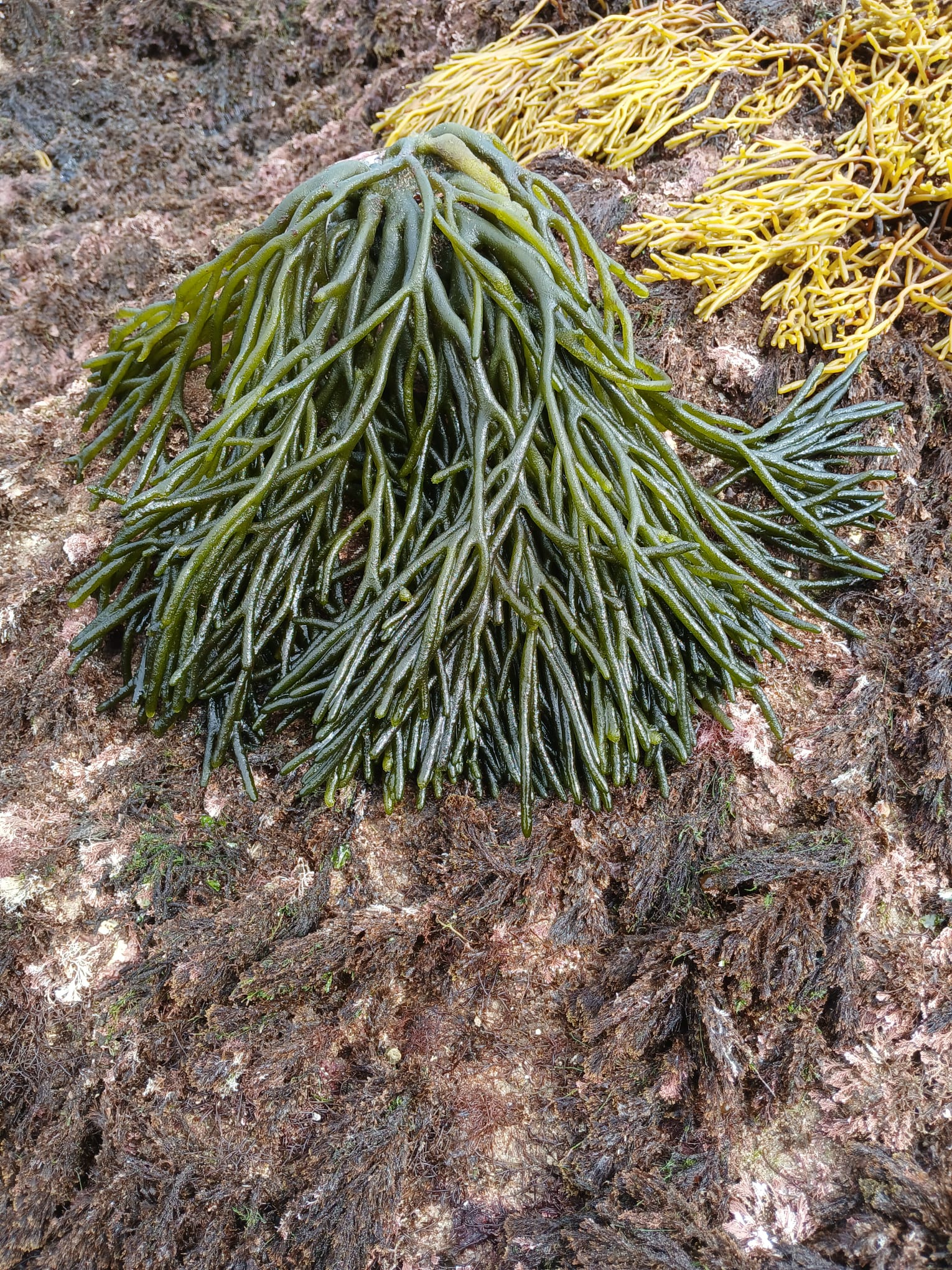
Codium is a perennial green algae, found in rocks in the upper litoral, specially in the San Vicente de la Barquera area.
It is used in animal and human food. As well as in agriculture and cosmetics.
Codium is an important rich source of minerals such as iodine, iron, magnesium, calcium, phosphorus, sodium, potassium, copper and zinc.
It also has vitamin A. It is low in carbohydrates and has a protein, fiber and antioxidant content similar to that of some cereals and seeds.
It has a high concentration of saturated fatty acids, among which oleic acid predominates.
Ericaria Selaginoides
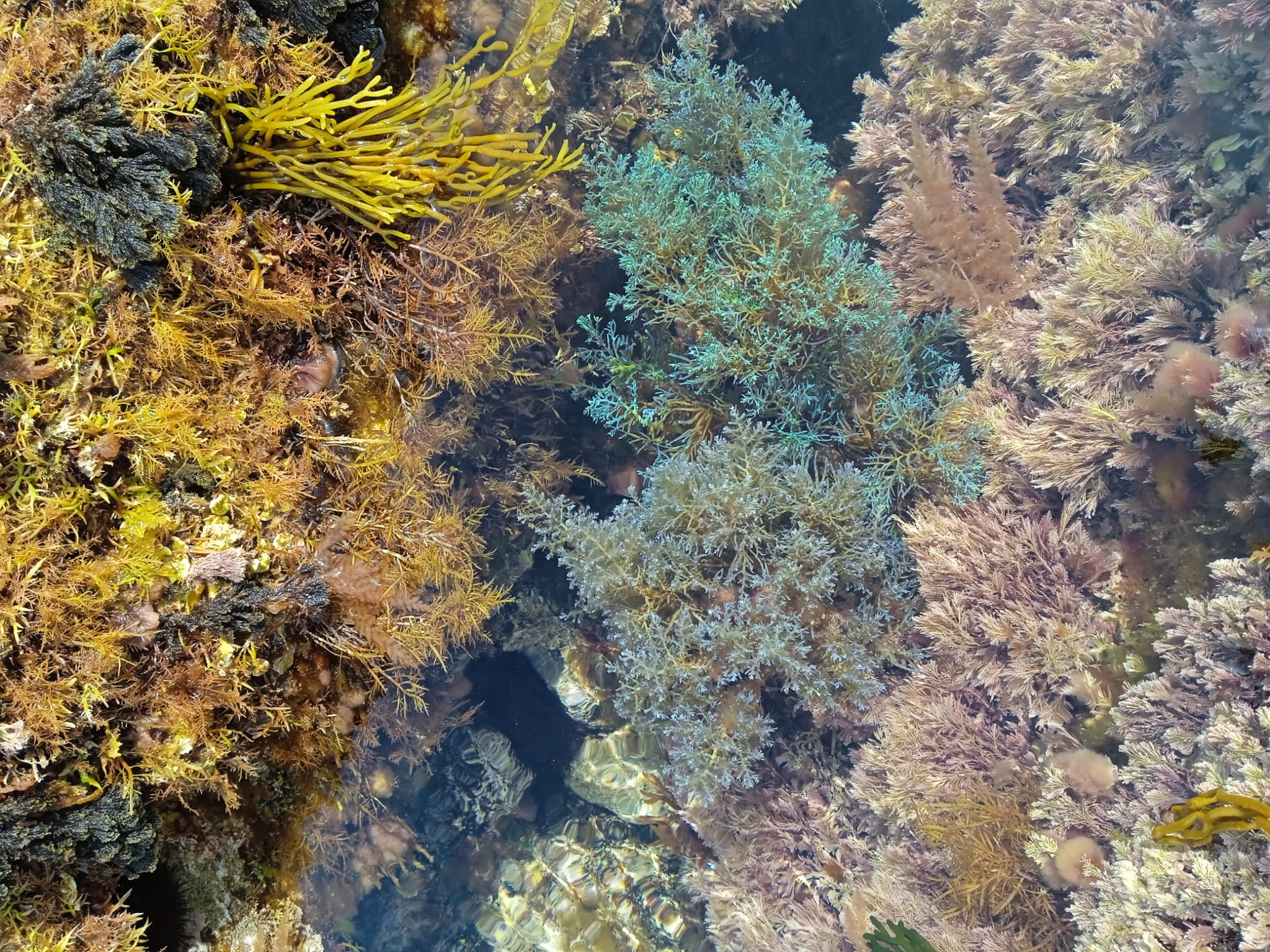
Ericaria Selaginoides, predominantly from the Atlantic, but also from the Mediterranean Sea.
The extract is a potent cosmetic ingredient that revitalizes the skin, providing a fresh and luminous appearance.
E. Selaginoides algae is a rich source of essential nutrients, including vitamins, minerals and amino acids.
E. Selaginoides has been shown to possess antioxidant properties, thus contributing to the protection of the skin against free radicals and premature aging.
It has bioactive components, such as polysaccharides and peptides.

Fucus Vesiculosus
Fucus vesiculosus is an algae, a weed abundant on the rocky coasts of the temperate and cold seas of the northern hemisphere.
It is rich in polysaccharides and other hydrating compounds that help soften and moisturize the skin.
Because of its high iodine content, it has been used to treat thyroid diseases.
Ulva
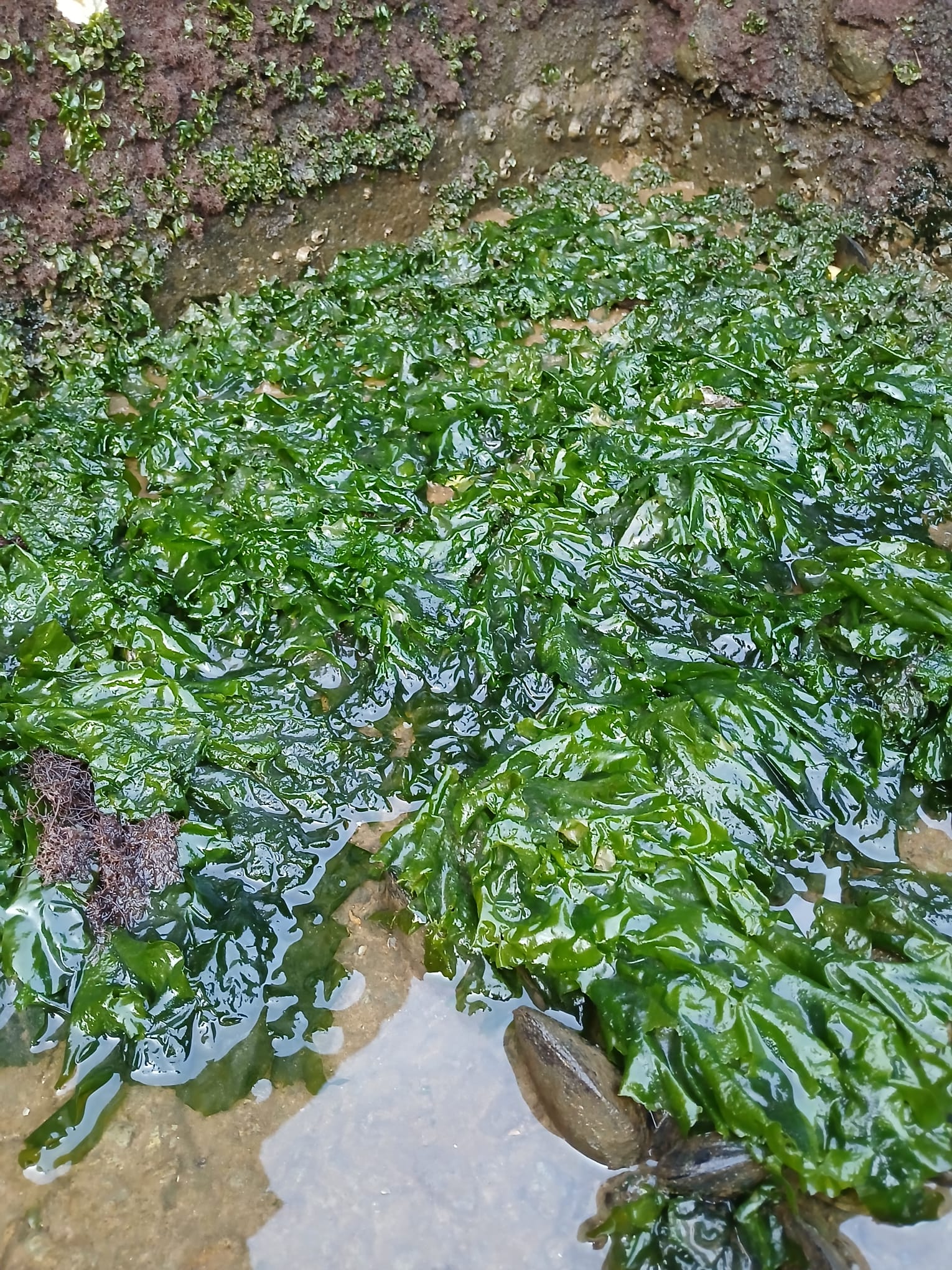
Ulva (sea lettuce) is a green, perennial algae. It is located in the supralittoral up to 10 m deep.
It is used in food, cosmetics and agriculture.
One of its main properties is the content of magnesium and vitamins, including vitamin A and vitamin E (both antioxidants); It also provides vitamin C.
It is very rich in calcium and iron.
In cosmetics it is used for its moisturizing properties.
In agriculture it is used as fertilizer.
Join Us in promoting Sustainable Aquaculture
Support the Cantabrian Seaweed Initiative by participating in our efforts to preserve traditional harvesting practices and promote regional development.
Contact: irune.mathur@cantabrianseaweed.com
Telf: 629179422
Address: San Vicente de la Barquera, 39540. Cantabria. Spain
 Seaweed from Cantabria